

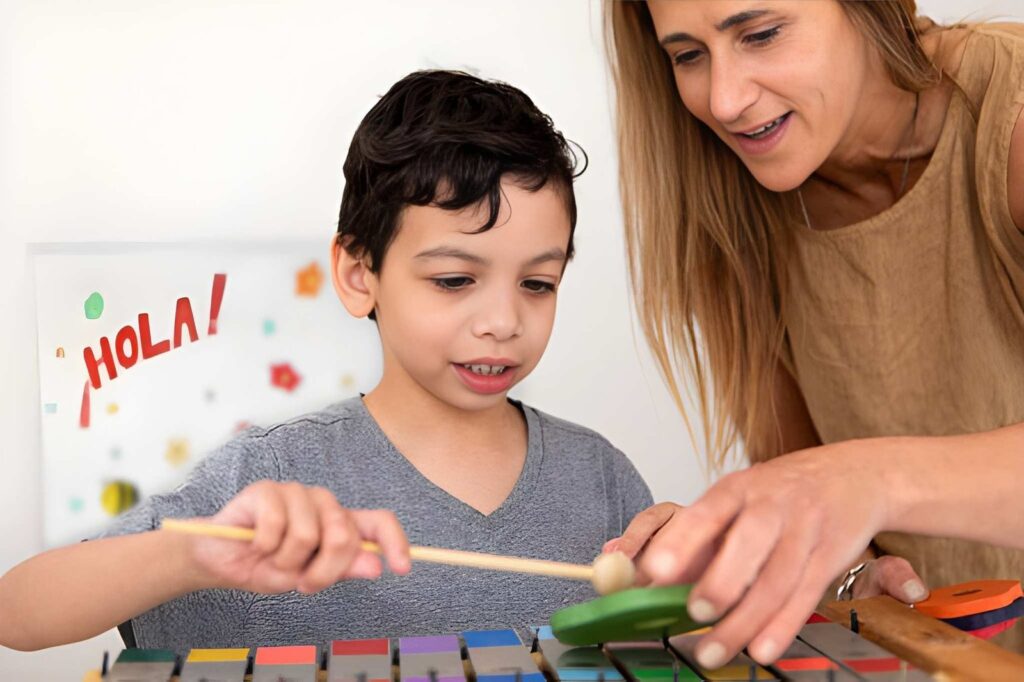
Does your NDIS plan help you gain new skills, or is it mostly there to help with your daily tasks? Many people think support workers are only there to do things for you, but the truth is that one of the best ways to use your funding is to hire someone to teach you how to be independent. Whether it is learning how to catch a bus, making a meal from scratch, or finally getting how to save money, the right help can change your life. This method changes the focus from “being cared for” to “growing and thriving” on your own terms. By picking a skill development worker, NDIS members can start building the confidence they need to take charge of their own daily routines.
The Role of Capacity Building in Your Plan
When we talk about learning new things in the NDIS, we are generally looking at the capacity-building part of your budget. This specific money is meant to help you get better at jobs so that, over time, you might not need as much help as you do now. Unlike core support that covers your current needs, this funding is an investment in your future self and your long-term freedom. A skill development worker NDIS can use these funds to work alongside you, carefully showing you different life tasks. It is all about going toward a life where you feel powerful and in control of your own choices every single day.
Examples of Life Skills Development
There are so many ways that life skills development can look in the real world, based on what you personally want to achieve.
- Personal Grooming: Learn how to handle your own hair, skincare, or shaving procedure so you can get ready for the day without help.
- Household Chores: Master the art of using a washing machine, folding clothes, or keeping your room tidy using a plan that works for you.
- Social Skills: Work on how to start talks, make eye contact, or understand social cues when hanging out with new people.
- Time Management: Practise using a calendar or a phone app to remember meetings and stay on top of your busy weekly routine.
Kitchen with Disability Cooking Lessons
One of the most popular ways to use your funds is for disability cooking lessons, where a worker helps you learn to feed yourself safely. Instead of just having someone drop a meal in front of you, you can learn how to chop vegetables, use a stove, and follow a simple recipe. This process isn’t just about the food; it is about the safety of knowing how to handle hot surfaces and sharp knives without getting hurt. Over time, you might find that you can make your own breakfast or a simple lunch without needing anyone else in the room. This kind of freedom in the kitchen is a huge step for many people wanting to live on their own.
Getting Around with Travel Training NDIS
Being able to leave the house whenever you want is a major part of freedom, which is why travel training NDIS is such a valuable service.
Route Planning
Learn how to look up bus or train times on your phone and figure out which stop you need to get off at. This takes the “scary” part out of going somewhere new for the first time.
Safe Crossing
Practise crossing busy roads and using traffic lights properly to make sure you stay safe while going around. Building these habits is important for anyone who wants to explore their neighbourhood.
Emergency Steps
Know exactly what to do if a bus is late or if you accidentally get on the wrong train. Having a backup plan helps keep you calm and stops you from getting lost or upset.
Ticket Use
Master the habit of tapping on and off with your transport card and making sure you have enough money on it. This makes the whole process of using public transport feel smooth and easy.
Teaching Daily Living Skills for Independence
A major part of a support worker’s job is teaching daily living skills that make your home life much easier to handle. This could be anything from learning how to change a lightbulb to knowing how to sort your mail so you don’t miss important bills. A skill development worker NDIS will often break these major jobs down into tiny, easy steps so you don’t feel stressed. By learning these things every week, you slowly turn “hard” jobs into simple habits that you can do without even thinking.
Financial Freedom with NDIS Budgeting Help
Learning how to handle money is one of the most important things you can do, and getting NDIS budgeting help is a great way to start.
- Price Comparing: Learn how to look at two different types of bread or milk at the shop to see which one is the better deal.
- Saving Goals: Set a goal for something you really want, like a new video game or a trip, and track how much you save each week.
- Paying Bills: Practise looking at a bill, knowing the “due date”, and using an app to pay it on time.
- Receipt Tracking: Get into the habit of saving your records and checking them against your bank account to see where your money goes.
How Support Coordination Can Help You Find a Teacher
If you aren’t sure how to find the right person to teach you these things, your support coordination funds can be used to track down the perfect match. Your coordinator can look for workers who have experience in teaching rather than just “doing”, which is a very different skill set. They can help you explain to the NDIS why you need extra hours for learning so that your plan has enough money to cover the lessons. Having someone in your corner who knows the system makes it much easier to get the exact help you need.
Setting the Right Goals for Growth
To get the most out of a skill development worker NDIS, you need to have very clear goals in your plan that talk about “increasing independence”. Instead of just saying you want “help with cleaning”, your goal should say something like “I want to learn how to clean my own kitchen so I can live by myself.” This tells the NDIS that you are looking for a teacher, not just a cleaner, which helps secure the right kind of support. It is important to be honest about what you find hard and what you really want to be able to do on your own.
Conclusion
Using your NDIS plan to hire a skill development worker NDIS is about investing in your own power. While it is always okay to need help, there is a special kind of magic in being able to say, “I can do this myself.” Whether you are learning disability cooking lessons or getting used to catching the train, every new skill makes your world a little bit bigger. This process isn’t about being perfect; it is about trying, learning, and slowly becoming the person you want to be.