Have you ever dreamed of living in a home that offers both the freedom of isolation and the safety net of professional care? For many NDIS members, the transition to living away from family can feel like a difficult leap, but NDIS SIL accommodation is specifically meant to make that change smooth and powerful. It is more than just a place to stay; it is a complete living situation where your daily needs are met by a focused team of workers. By understanding the features and benefits of this model, you can make an informed choice about your future living situation and start your journey towards a more independent lifestyle.
The Core Concept of Supported Independent Living
The main goal of SIL accommodation is to provide the necessary support for you to live as freely as possible while sharing a house with others. This plan is often paid through supported independent living NDIS for people with higher support needs who require a large amount of help throughout the day. It covers the cost of one person supporting another with tasks like personal care, cooking, and cleaning, but does not include housing or everyday food costs. The goal is to create a sense of belonging in a community-based setting where you have the authority to make choices about your life. It offers a unique balance of private and shared duty, making it an ideal choice for long-term living.
Key Inclusions of SIL Support
When you enter a shared arrangement, you gain access to a complete suite of shared living support services tailored to your individual needs.
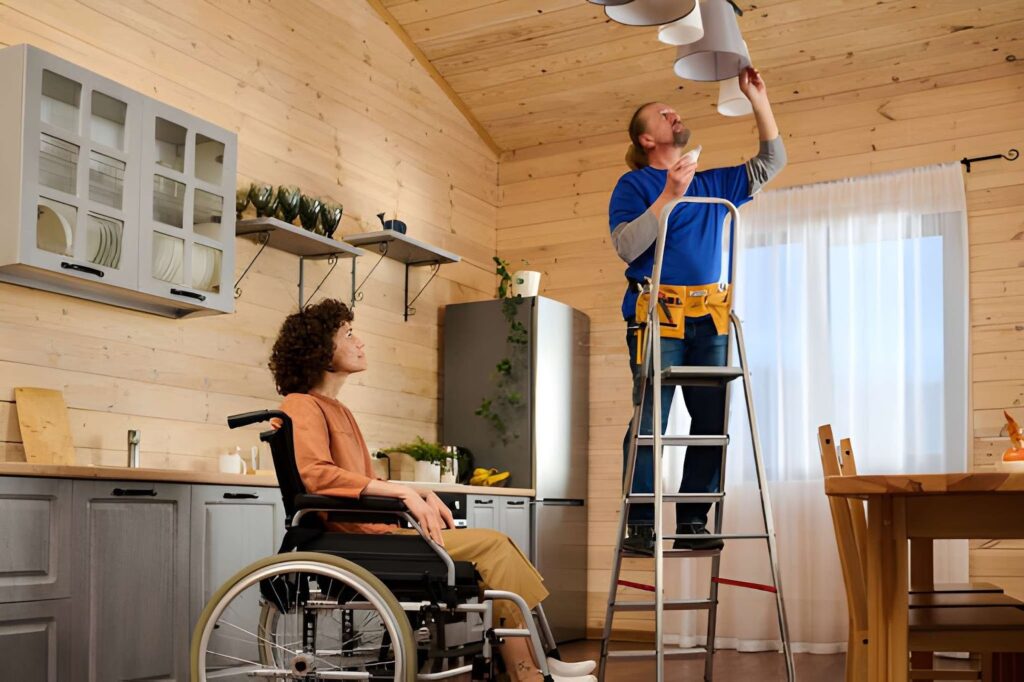
- Personal Care Help: Assistance with washing, cleaning, and dressing is given by trained staff members every morning. This ensures your daily health needs are met with dignity, respect, and professional care.
- Meal Preparation Support: Staff help with planning, making, and offering healthy meals that cater to your unique dietary needs. This helps you keep a healthy lifestyle while learning important cooking skills in your own home.
- Medication Management Assistance: Workers provide prompts and direct help with taking recommended medicines at the correct times throughout the day. This regularity is important for controlling chronic health problems and ensuring your long-term happiness.
- Household Chores: Support is offered for cleaning shared areas, doing washing, and keeping a healthy living environment. This removes the physical strain of home tasks, allowing you to focus on your personal goals.
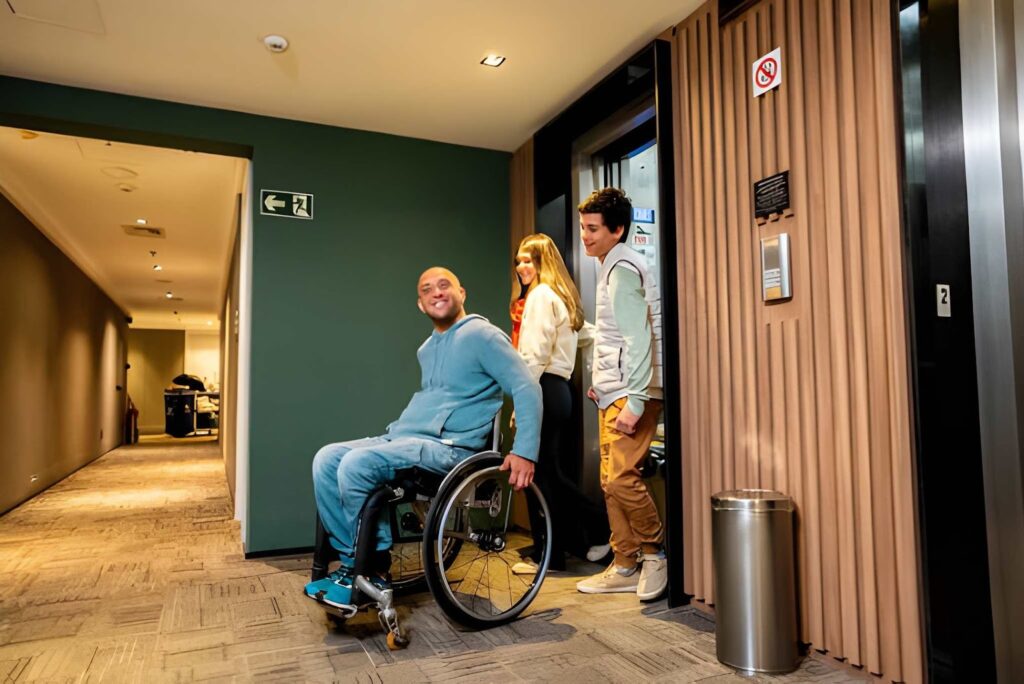
- Social Integration: Staff help you join in-house events and connect happily with your roommates in the shared area. This promotes a sense of community and builds the social trust needed for independent life.
Enhancing Life Skills and Autonomy
One of the main benefits of the SIL benefits NDIS is the focus on capacity building, where the support workers don’t just do jobs for you but help you learn to do them yourself. Over time, you might learn how to manage a small budget, handle cooking safety, or handle simple home care procedures. This freedom is a core goal of the NDIS, trying to lessen long-term dependence on professional help where possible. The organised setting of SIL allows for steady skill growth in a safe and helpful place. As you gain confidence, your support plan can be changed to give you more responsibility and freedom in your daily life.
Safety and Professional Oversight
Selecting a shared residence means you have a personalised home support NDIS safety net available to you at all times.
24/7 Staff Availability
Professional support workers are on-site around the clock to help with any instant or emergency needs. This steady presence provides peace of mind for both the individual and their family members.
Emergency Response Protocols
Every home has clear processes for handling health problems or building situations to ensure resident safety. Staff are trained to stay relaxed and act quickly to reduce any possible risks to the household.
Safe Environment Checks
Regular audits of the house ensure that mobility aids can move easily and that dangers are reduced. This method keeps the physical area available and safe for people with different physical disabilities.
Qualified Worker Vetting
All staff members face thorough background checks and hold the necessary certifications to provide high-quality care. This ensures that only trustworthy and skilled providers are entering your private living area.
The Importance of Choice in Accommodation
Exploring the right living setting is a highly personal process that should involve visiting several possible houses to check for fit. It is important that you feel comfortable with the location, the neighbours, and the staff members who will be giving your daily care. You have the right to choose which service runs the house and to request changes if the setting isn’t meeting your needs. Many companies offer “meet and greets” where you can spend time with current residents to see if your traits and interests match. This choice and control is what makes the NDIS successful in building secure and happy living arrangements.
Finding Local Support Options
If you are ready to make a move, you should start by looking for SIL options near you to find open spaces in your chosen neighbourhood.
Suburban Search Focus
Look for disability services near me within known neighbourhoods to keep your existing social links. Staying close to your present neighbourhood makes the shift to independent life much less stressful.
Facility Tour Requests
Always ask for a guided tour of possible houses to see the room sizes and shared areas. This actual inspection helps you picture your life there and rate the usability of the house.
Provider Reputation Check
Check online reviews and ask for feedback from current members and their families for peace of mind. A service with a strong neighbourhood name is more likely to offer regular and high-quality care.
Vacancy Compatibility Assessment
Ensure the service checks that your support needs match with the skills of the staff working at the home. This matching process stops service breaks and ensures you receive the exact help your plan needs.
Encouraging Community and Social Bonds
Living in a shared setting naturally provides chances for social interaction that can fight the feelings of isolation often experienced by people with disabilities. Shared meals, movie nights, and group trips are typical features of SIL, allowing residents to build strong and lasting bonds. These social ties add greatly to mental well-being and provide a sense of belonging that is hard to achieve in an isolated living situation. Staff often act as guides, helping peers settle disagreements and plan activities that everyone likes. By creating a positive attitude within the home, SIL workers build a supporting community that feels like a real family.
Tailoring Support to Your Plan
Each participant’s experience in NDIS SIL accommodation is unique because the help hours are set by your personal NDIS plan goals.
- Individualised Goal Alignment: Your daily support is organised to help you reach the specific goals outlined in your personal NDIS plan.
- Flexible Care Hours: Support can be scaled up or down based on your present health state or changing living needs.
- Multidisciplinary Team Collaboration: Staff work alongside your external therapists to ensure that therapy goals are being practised at home.
- Regular Plan Reviews: Periodic checks ensure that the amount of support you are getting stays adequate and useful for your case. T
Balancing Privacy with Professional Help
While the focus is on joint life, a high-quality SIL agreement respects your need for individual privacy and quiet time. You will usually have your own bedroom, which you can arrange to show your style and where you can escape whenever you need space. Professional support workers are trained to respect these limits, only giving help when it is asked or needed by your plan. This balance ensures that you feel in control of your area while still having the comfort of knowing help is just a few steps away. Maintaining this liberty is important for your self-esteem and your identity as an independent adult.
Conclusion
Moving into NDIS SIL accommodation is a major life event that requires careful planning and open conversation with your present support network. Start by talking to your support coordinator about how much SIL funding you have and what your “must-haves” are in a new place. Gathering proof from your occupational therapist about your practical needs will help you gain the right amount of funds for your shift. Don’t be afraid to ask possible providers tough questions about their staff or house culture. By being thorough in your research, you can ensure that your transition to SIL is the start of a satisfying and successful part of your life.